
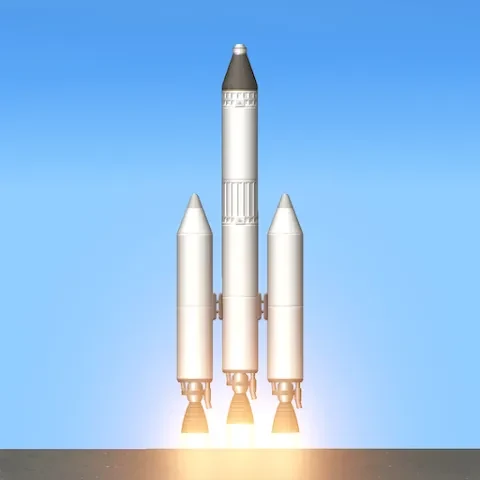
Spaceflight Simulator
Spaceflight Simulator is an Android spaceflight simulation game focused on assembling rockets, launching them through a physics-based flight model, and exploring planets, the Moon, and asteroids. Players choose components, monitor flight parameters, perform stage separation, and work toward reaching orbit or landing on celestial bodies.
Screenshots
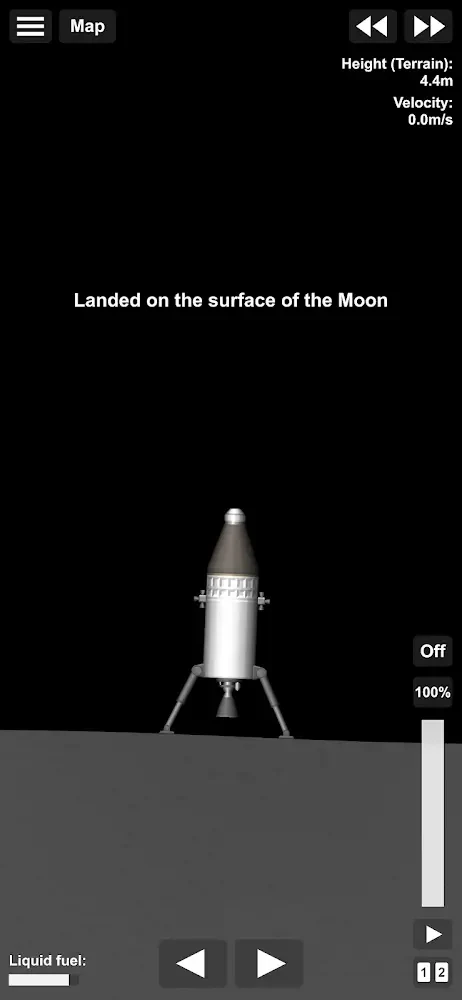
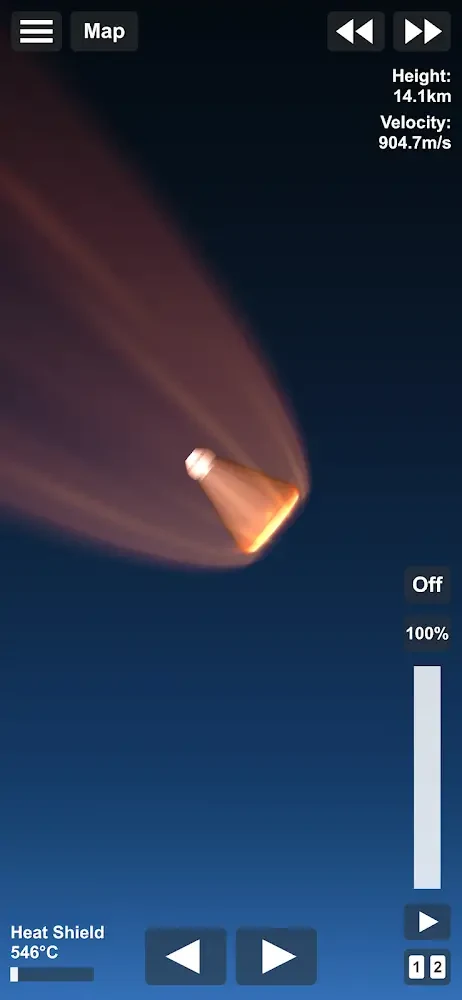
About this app
Spaceflight Simulator is a spaceflight simulation game centered on building rockets and guiding them through launches, orbital flights, and space exploration. Players assemble vehicles from separate parts, select components for a planned destination, and then manage the flight from launch through atmospheric ascent and later mission stages.
Rocket construction
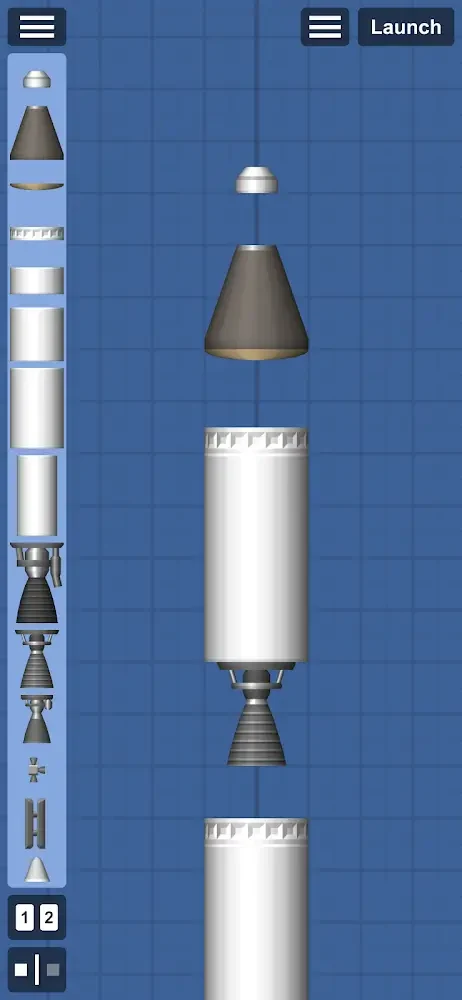
The building section lets players combine rocket parts into a complete vehicle. Available components described in the game include rocket shells, engines, launchers, warhead components, and other parts used to form a spacecraft. Each engine or part can affect the rocket’s speed and flight path, so construction involves matching the vehicle to the intended objective rather than simply placing parts together.
Tutorial videos are available to help explain rocket construction. The game presents this design process as an open-ended activity, allowing players to assemble different vehicle configurations before placing a finished rocket on the launchpad.
Launch and flight control
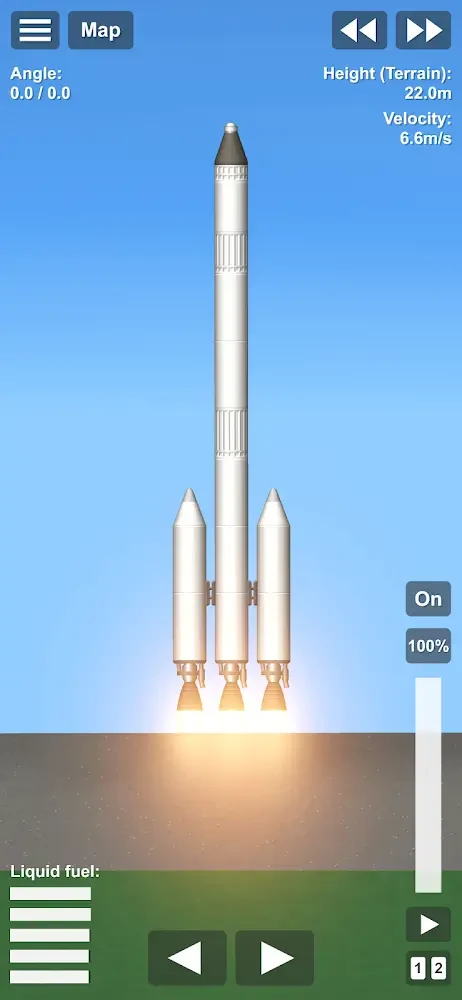
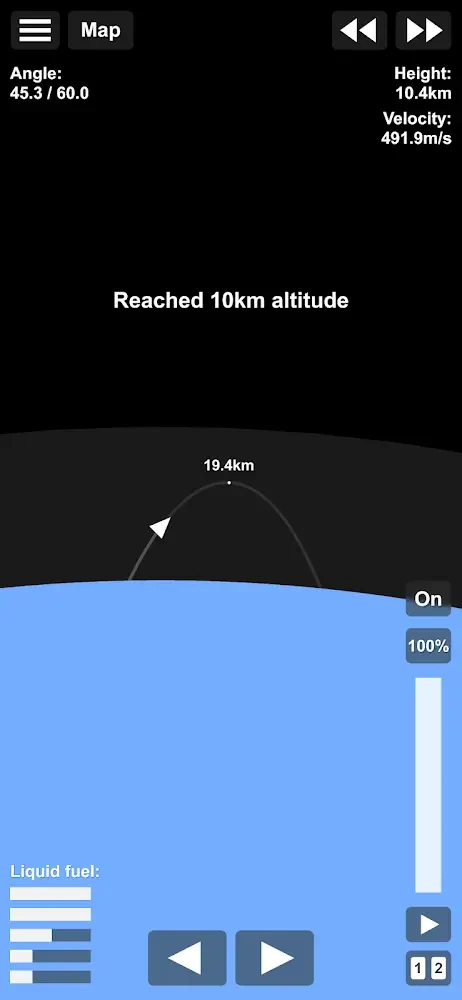
Once a rocket is ready, the flight begins at a station and progresses through the atmosphere into space. The simulation uses a physics system with trajectory calculations, so players need to consider the route toward Earth orbit and make flight adjustments during ascent. The controls are described as simplified for a space simulation, while still exposing key information needed to follow the vehicle’s movement.
Flight information includes altitude, velocity, and flight angle. These parameters help show how the rocket is moving and provide reference points while it accelerates, reaches space, and continues toward a target. The rocket can also separate stages or other sections during the mission, allowing the flight to proceed with a changing vehicle configuration.
Orbital and planetary missions
The game’s exploration scope includes Earth, the Moon, Venus, Mars, other planets in the solar system, and scattered asteroids. The supplied description presents the planets at real scale relative to one another and identifies different environmental characteristics, including Venus’s thick, hot atmosphere and Mars’s thin atmosphere.
Mission goals can involve reaching Earth orbit, traveling toward another celestial body, or landing on a planet or other target. The gameplay is organized around two connected activities: building a rocket and guiding it to a celestial body. After a successful mission, an objective list records the goals that were completed.
Staging and return procedures
Rocket flights can include multiple phases. After launch and atmospheric ascent, players may separate sections of the vehicle to continue toward a higher altitude or a distant destination. The described mission sequence also includes separating an astronaut compartment for the return journey.
For a return to Earth, the spacecraft can use a parachute to descend gradually toward the surface. This gives the flight a separate landing stage after the outward journey, alongside the earlier work of managing acceleration, trajectory, and separation.
Space simulation focus
Spaceflight Simulator presents rocket engineering and space travel through a simplified control scheme alongside physics-based movement. Its documented activities cover vehicle design, launch preparation, trajectory monitoring, orbital attempts, planetary travel, landing, and return procedures. The result is a simulation structure in which construction decisions directly precede the launch and flight tasks rather than being separate from them.
Version history
View all01 Jul 2026 · stable