

NCheck Guard
Neurotechnology LabNCheck Guard supports authorized staff with manual identification and event recording for attendance systems. As an add-on to NCheck Bio Attendance Software, it also provides real-time face detection for recognizing people passing by without requiring them to stop for a camera picture.
Screenshots
About this app
NCheck Guard is an attendance companion app for authorized staff who need to identify individuals manually and record attendance events directly in an attendance system. It also supports real-time face detection for recognizing people passing by without requiring them to stop while the camera takes a picture.
Manual identification and event recording
The app gives authorized personnel a way to confirm identities and enter events into the attendance system. This manual control is useful when staff need to oversee a checkpoint or provide confirmation in situations where automatic recognition does not provide the required oversight. Recorded identification events help keep attendance records current within the connected system.
Real-time face detection for passing individuals
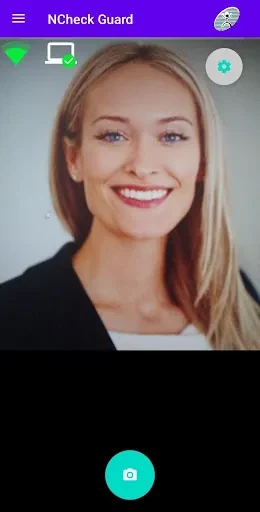
NCheck Guard can detect a person passing by in real time, without requiring that person to stop and wait for the camera to take a picture. This supports checkpoint logging where people need to move through an area with less interruption. Detection is camera-based, so lighting conditions and camera placement may influence how it functions.
Connection with NCheck Bio Attendance Software
NCheck Guard is designed as an addition to NCheck Bio Attendance Software rather than a standalone attendance platform. The combination brings manual verification controls and continuous detection into an existing attendance setup. Recorded attendance events depend on the base NCheck Bio Attendance Software for storage and management.
Role in on-site checks
By combining manual confirmation with real-time detection, the app supports organizations that need checkpoint logging or attendance verification during on-site rounds. It is not fully autonomous because some situations still require authorized personnel to identify or confirm individuals.
Version history
View all14 Oct 2026 · stable